
Renovation Roadmap: Best Practices for Updating Aging Pools in 2026
Rethinking Pool Interior Finishes for Long-Term Performance

Across North America, the pool industry is entering a new renovation cycle. Millions of residential pools built in the 1980s, ’90s, and early 2000s are reaching the point where interior finishes are no longer cosmetic concerns, but functional ones. Cracking plaster, persistent staining, rough surfaces, and recurring repairs are pushing homeowners to ask an important question: Is there a better long-term solution?
Across North America, the pool industry is entering a new renovation cycle. Millions of residential pools built in the 1980s, ’90s, and early 2000s are reaching the point where interior finishes are no longer cosmetic concerns, but functional ones. Cracking plaster, persistent staining, rough surfaces, and recurring repairs are pushing homeowners to ask an important question: Is there a better long-term solution?
For builders and service professionals, interior finish replacement is often the first step in a broader renovation conversation. It is also where the industry has the greatest opportunity to move beyond tradition and embrace modern technologies that deliver longer service life, improved performance, and more predictable results. Increasingly, reinforced PVC membranes are emerging as one of those solutions—particularly in renovation projects where longevity and reliability matter most.
Interior Finishes: The Renovation Trigger
Most renovation projects begin with a surface problem. Homeowners notice discoloration that won’t go away, plaster that feels rough underfoot, or cracks that reappear shortly after repair. Over time, repeated acid washes and patch jobs become frustrating, costly, and disruptive.
For pool professionals, these moments are pivotal. An interior finish replacement is not just a repair—it is an opportunity to reassess how the pool is expected to perform over the next decade or more. Instead of simply restoring what was there before, today’s renovations increasingly ask whether the original finish still makes sense given advances in materials and construction methods.
Moving Beyond Tradition in Pool Finishes
For decades, plaster finishes dominated the residential pool market largely because they were familiar. Builders relied on methods that had worked in the past, and homeowners accepted relatively short surface lifecycles as part of pool ownership.
That mindset is changing. Much like other areas of residential construction, pool interiors are finally benefiting from modern material science. Homeowners are no longer satisfied with answers based solely on tradition. They want to understand durability, maintenance requirements, and long-term cost of ownership.
In Europe, this shift away from relying exclusively on traditional plaster finishes began decades ago, driven by the need for more predictable waterproofing and longer-lasting surfaces. Today, North American renovation projects are increasingly following a similar path—evaluating interior finishes not just on appearance, but on how they perform over time.
Why Reinforced PVC Membranes Make Sense in Renovations
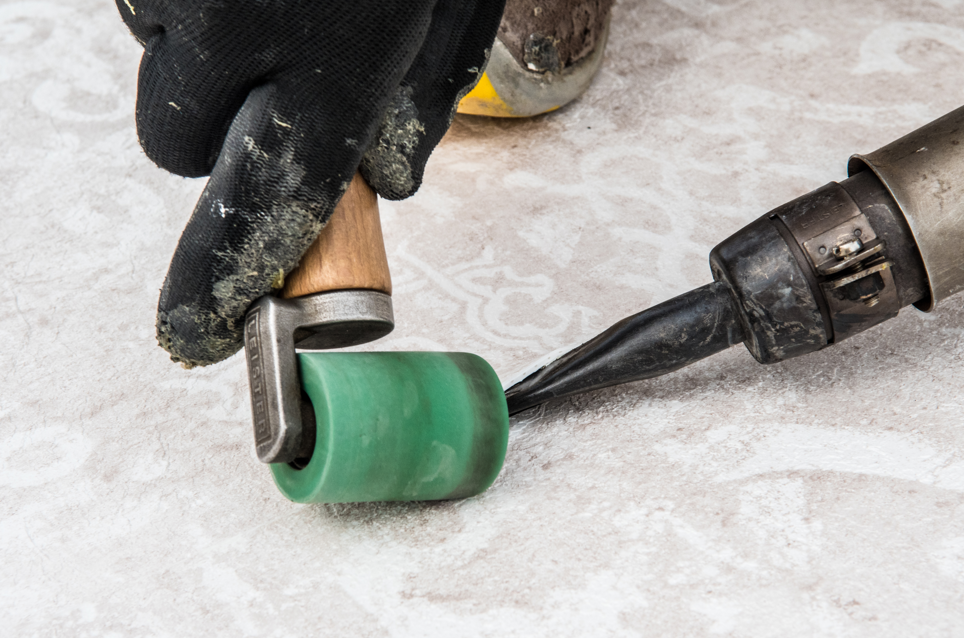
Reinforced PVC membranes are particularly well suited for renovation projects because they function as a complete interior system rather than a coating applied directly to the shell. Installed over a prepared concrete substrate, the membrane creates an independent waterproofing layer that is less dependent on the condition of the existing surface.
From a practical standpoint, this offers several advantages for renovations:
- The membrane can bridge minor substrate imperfections that would otherwise telegraph through rigid finishes.
- It accommodates small structural movements that often occur in older pools.
- It provides a consistent, uniform surface across walls, floors, steps, benches, and transitions.
For homeowners who have experienced recurring plaster issues, this predictability is a major selling point. Instead of hoping the next finish lasts longer, reinforced membranes offer clearly defined performance expectations and service life.
Where Aesthetics and Performance Come Together
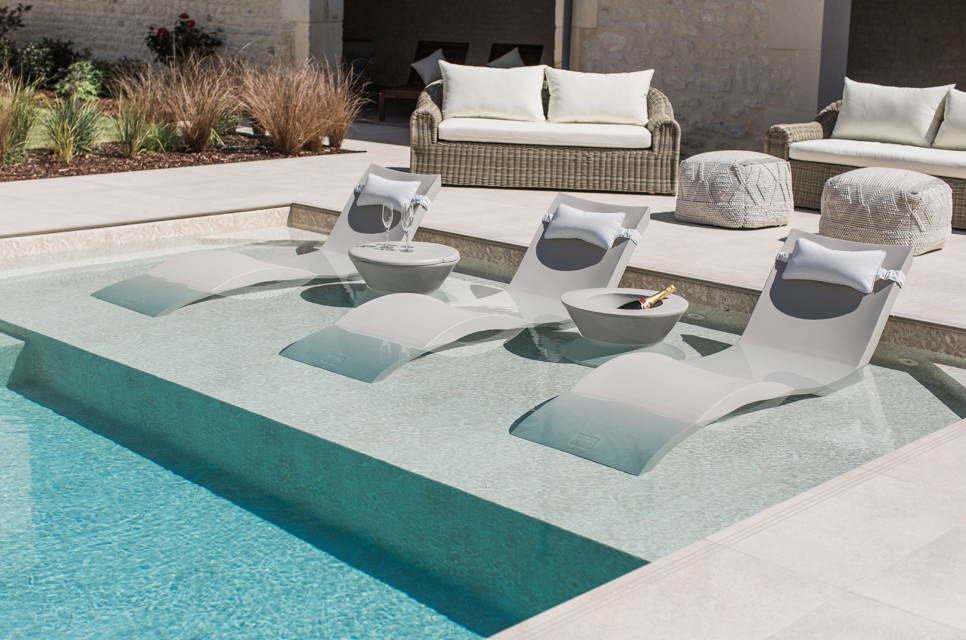
One of the most common misconceptions about performance-driven solutions is that they limit design flexibility. In reality, modern reinforced PVC membranes offer a wide range of colors, patterns, and surface textures that allow builders to deliver both visual upgrades and functional improvements during a renovation.
Interior finish replacement is often paired with broader aesthetic updates, including:
- Cleaner, more contemporary visual styles
- Updated steps, benches, and tanning ledges
- Surfaces designed to be truly slip-resistant
Rather than treating the interior finish as an afterthought, reinforced membranes allow it to become an intentional part of the overall renovation design. Builders can coordinate the pool interior with surrounding decking, coping, and architectural elements while also improving safety and durability.
This ability to combine aesthetics with performance aligns with broader renovation trends seen across residential construction—where upgrades are expected to deliver more than just a fresh look.
Service and Maintenance Benefits Professionals Appreciate
Beyond installation, reinforced PVC membranes also change the long-term service equation. Many service professionals appreciate the predictability these systems bring to ongoing maintenance.
Because the membrane provides a non-porous, uniform surface, water chemistry is easier to stabilize compared to aging plaster surfaces that continue to erode over time. Fewer surface-related issues can translate into fewer callbacks, fewer complaints about staining or roughness, and clearer maintenance protocols for homeowners.
From a business perspective, this predictability helps service companies build stronger long-term relationships. When clients understand what to expect from their pool interior—and those expectations are consistently met—trust increases.

Helping Homeowners Understand the Cost Equation
One of the most effective ways builders can position reinforced PVC membranes during renovation discussions is through lifecycle cost analysis. While the initial investment may be higher than a basic plaster refinish, the long-term economics often tell a different story.
Traditional plaster finishes typically involve:
- Longer time needed to complete the renovation
- Shorter product lifespan
- More frequent surface treatments or replacements
- Higher long-term disruption
Reinforced PVC membranes, by contrast, offer:
- Quicker installation – Most installations are completed in 3-5 days.
- Longer service life
- Predictable maintenance requirements
- Fewer full-surface renovations over time
When homeowners view the renovation as a long-term investment rather than a short-term repair, the value proposition becomes clearer. Builders who take the time to explain total cost of ownership—not just initial price—position themselves as consultants rather than commodity installers.
A New Chapter in Pool Renovation
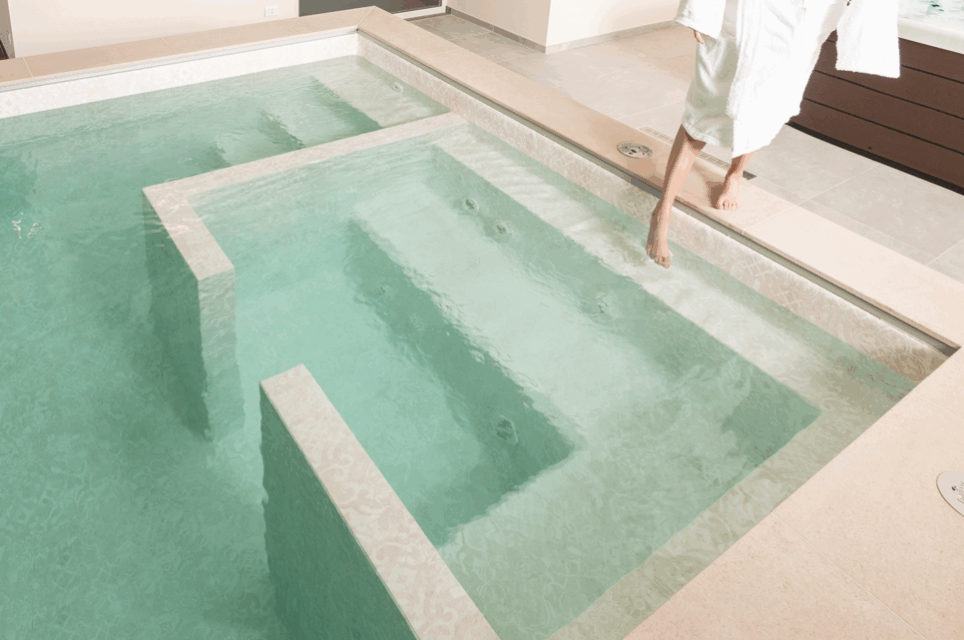
As the renovation market continues to grow, interior finishes are becoming one of the most important decision points in any project. The industry is no longer limited to repeating the same solutions used decades ago. Today’s technologies allow builders and service professionals to offer upgrades that improve durability, safety, aesthetics, and long-term performance all at once.
Reinforced PVC membranes represent this shift. They reflect a broader evolution in how pool interiors are evaluated—moving from tradition-based choices toward solutions backed by engineering, experience, and real-world performance.
For professionals willing to rethink how renovations are approached, interior finish replacement is no longer just a repair. It is an opportunity to deliver a better pool for the next generation of ownership—one designed to last, perform, and look good doing it.