Builder

  • |

    Designing Well

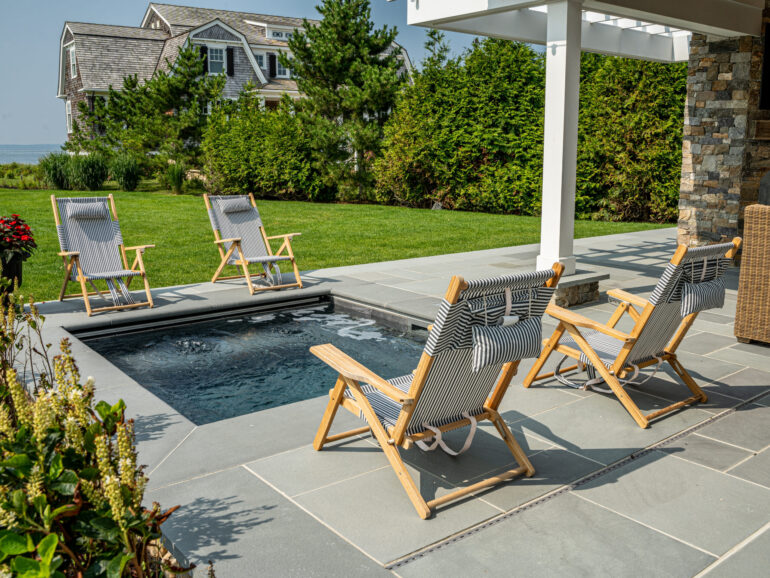
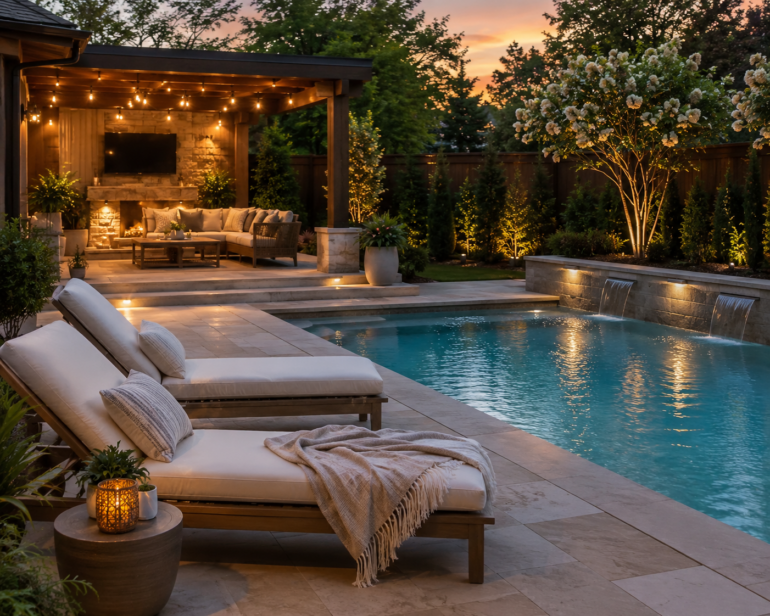
    Homeowners increasingly want outdoor spaces that help them relax, recover and spend more time outside. Cold plunges, hydrotherapy areas, saunas and dedicated wellness spaces are becoming part of backyard projects as builders design spaces that serve as everyday retreats rather than simply places for recreation.

  • Improve with Caution

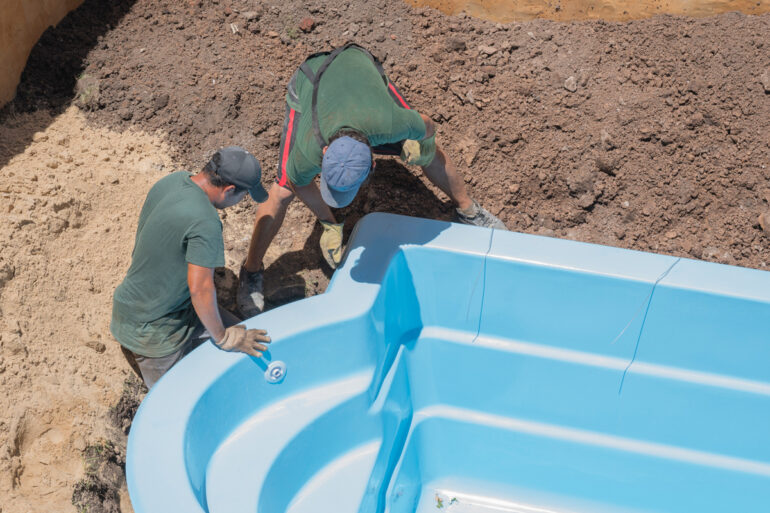
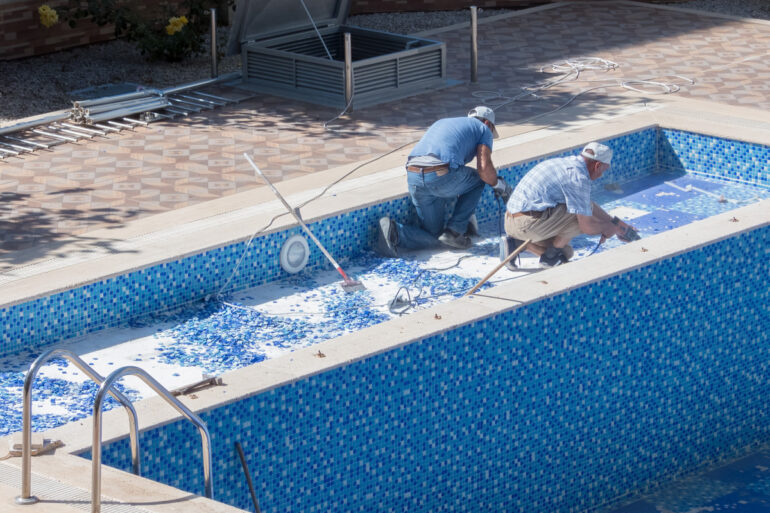
    Retrofitting older pools with modern equipment, finishes or structural upgrades can create problems that don’t surface until months or years later. Builders say avoiding those failures starts with asking better questions, thoroughly evaluating existing conditions and knowing when a partial upgrade simply isn’t worth the risk.

  • The Life (and Death) of a Pool Finish

    As any pool pro knows, dealing with finish breakdowns is inevitable.
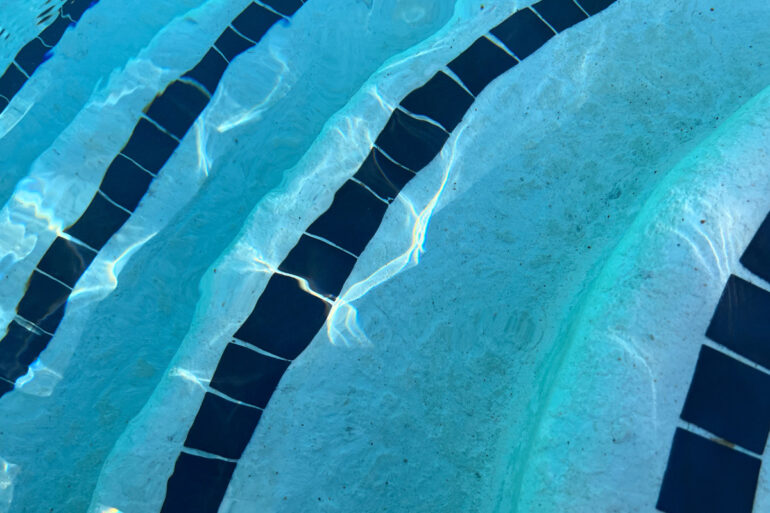
    There’s mottling and color variation, rough scale from high Calcium Saturation Index, dusting from low CSI or aggressive acids, calcium nodules, scale rings, cracks that leak — the list goes on. Some root causes trace back to water chemistry, while others stem from application, curing or environmental factors. In some cases, design plays a role.

  • Above-ground, Beyond Expectations

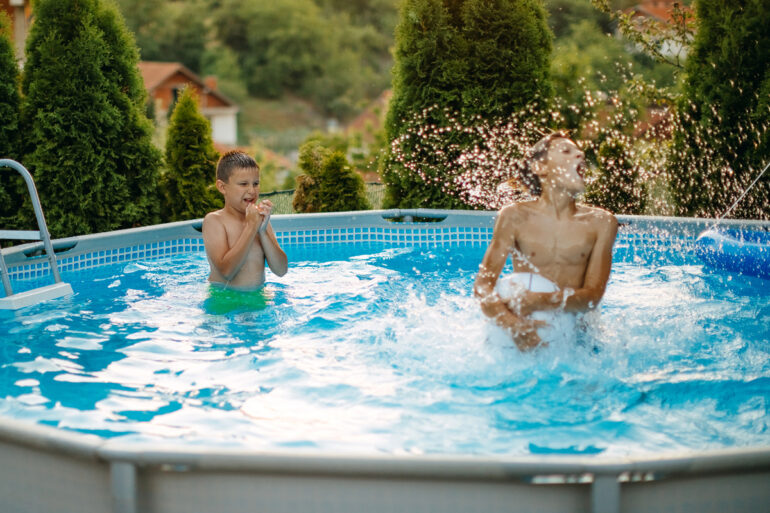
    For swimming pool companies trying to maintain sales momentum and revenue, one opportunity is worth a second look: above-ground pools. While many builders have historically dismissed the category, fearing it would cannibalize higher-ticket custom builds or clash with their brand’s luxury image, today’s above-ground options are changing minds.

  • Build Up

    Successful subcontractor management goes beyond project completion. By setting clear expectations and providing meaningful support, builders can forge strong, long-term partnerships with subcontractors and external crews.

  • Got Check Cracks? Check Wind Speed.

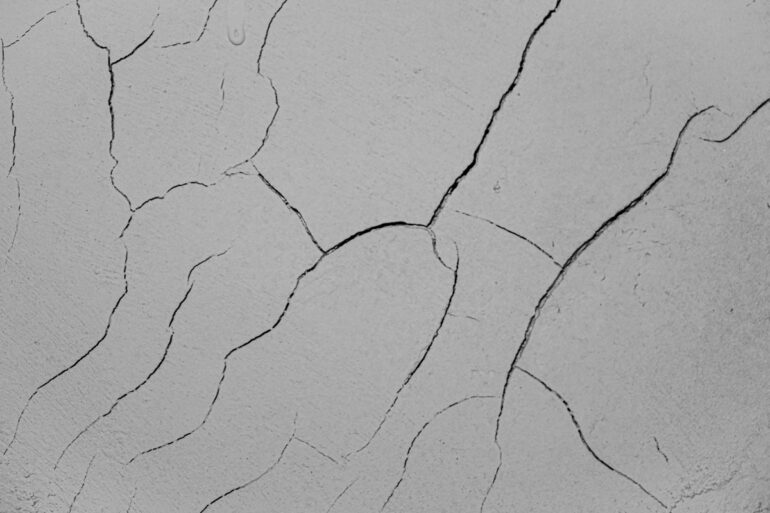
    In December 2023, the National Plasterers Council released Technical Bulletin No. 8, highlighting the impacts of wind speed on plastic shrinkage, or check cracks, in pool plastering. While the harmful effects of hot temperatures, low humidity, high winds or a combination of these are known, the study underlines wind speed as the dominant variable. The NPC says the findings are crucial for reducing check cracks and improving plaster durability.Â