Build Up
How to manage subcontractors and external crews
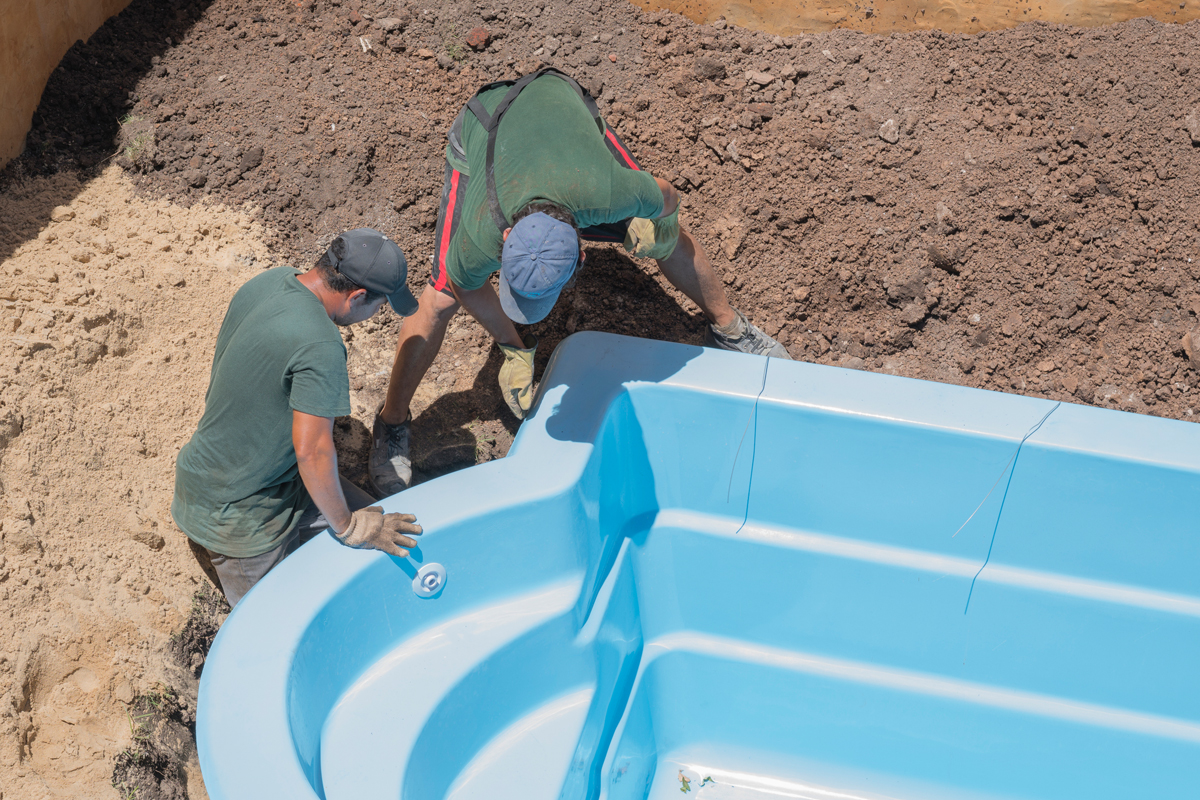
Successful subcontractor management goes beyond project completion. By setting clear expectations and providing meaningful support, builders can forge strong, long-term partnerships with subcontractors and external crews.
Ensuring a good fit
“Hungry, humble and hustle — I’m looking for subs who are hungry to grow and want the work,” says Lauren Womick, president of Kevin Sparks Signature Pools in Murfreesboro, Tennessee. Womick says those three qualities are top of mind when she’s vetting a new subcontractor. “I want to see them work expeditiously and correctly the first time, be willing to take on that work and really thrive,” she says.
Womick says if the contractor doesn’t seem teachable, that’s a quick indicator it’s time to cut ties: “I don’t drag relationships along,” she says. “If I feel like they’re not going to meet the character and overall high industry standards, then we’re not going to be a good fit.”
Rick Chafey, founder and president of Red Rock Design in Chandler, Arizona, says he looks at how long the sub has been in business, talks to other pool builders the sub has worked for and requires a face-to-face meeting. “We spend a couple of hours together, making sure that whoever’s in charge of the company and running projects has a similar DNA that we have,” Chafey says.
Their subs need to be willing to learn and be retrained, he says, even if the sub has been in the business for years. “We need subcontractors who have good experience but also are humble enough to know that maybe they could use some better direction,” he says.
That culture alignment is key for ensuring long-term success — and it starts well before a subcontractor steps onto a jobsite.
“We’re not just going to give them a list of jobs and say, ‘Hey, have at it,’ ” says Ollie Penn, vice president of construction for Alchemy Exteriors in Tulsa, Oklahoma. “We want to sit down, meet with these guys and make sure they’re a culture fit.”
Penn says he looks to see if they’re presentable and if they pay attention to detail.
“Do they show up on time? Are they well-dressed? Are they prepared?” Penn asks. “Have they done a little bit of research, or spoken to some people about who we are and the kind of projects that we do?”
Communication hacks
Womick says with each subcontractor, she tries to adapt to the communication style that best fits the sub. Whether that’s a Google sheet, a group text or coordinating through software like Monday.com, it’s important to Womick to communicate with the subs where they’re at.
“Having that flexibility speaks a lot to your character — just being willing to work with them and communicate at their pace, on their level in their experience,” Womick says. “It helps build that relationship.”
Womick says to be aware of any language barriers because that could also be a source of miscommunication. “We have a translator on our payroll,” Womick says. “She’ll go to jobsites to translate and that has cut out a lot of issues because everything is clearly understood.”
In addition to phone calls and site visits, Chafey uses the project management software Procore that allows his team and subs to view plans for a project and share progress photos.
“The day they show up to the jobsite, they can double-check that they have the right set of plans,” Chafey says. “They see all the pictures from before. They can even watch the project as it proceeds along.”
Penn emphasizes the importance of having someone from the company on-site every day, like a project manager, to catch issues early and prevent them from becoming costly problems. “When things begin to go sideways, they can be caught in that first instance,” Penn says. “Everybody makes mistakes, even our top guys from time to time.”
Scott Rhodes, president of Rhodes Custom Pools in Rogersville, Missouri, handles most communication between in-house and outside crews and says “great communication, prompt payments of their invoices, showing gratitude and always thanking them for their hard work” are the steps he takes to build long-term reliable relationships with subcontractors.
Being in the Midwest with frequent severe weather makes staying on schedule the biggest challenge on most projects, but Rhodes says regular communication is key regarding weather delays. “We typically communicate an approximate timeline and date that we’ll need the work to be done, but also understand unavoidable delays,” he says.
Build relationships, not just projects
Penn advises against overdependence on any subcontractor to help the sub avoid burnout. He also encourages builders to pour into their subs when they can and help them with skill development by organizing training opportunities for personal growth.
“You want to make sure they’re growing as you’re growing, and it’s not this use-and-abuse relationship,” he says. “The relationship should always be two-way.”
Womick reminds builders that subs are often fellow business owners and calls builders to lead by example: “At the end of the day, the respect you’re expecting from them should be doubled from you,” she says. “Truly value them because that’s a business you have the opportunity to help.”
Chafey reminds builders and subs to have empathy for each other: “The key to the relationship is making sure you have a better understanding of what they’re going through, as well as what you’re going through,” Chafey says. “Try to work together.”