
Posting the Process
Danny Wang uses social media to expand his reach, educate homeowners and rethink how pool professionals connect with customers
When Danny Wang first started posting pool projects on Instagram nearly a decade ago, he wasn’t trying to become a social media personality. He was simply documenting his work.
Eight years later, Wang boasts nearly 4 million followers across his Instagram and TikTok accounts, where he posts pool transformations, time lapses and project walkthroughs.
For Wang, principal and CEO of Danny Wang Design in Orange County, California, posting projects to social media quickly became part of the business itself. Homeowners could see his design style, follow project progress and reach out directly online.
“I started just posting my work,” Wang says. “And that took off from there.”
Documenting the process
Wang has spent over 20 years in the pool industry, primarily working in design-build construction. When his Instagram began gaining traction, he saw an opportunity to show completed projects to homeowners who may never have otherwise seen his work.
Most posts feature straightforward before-and-after comparisons, but over time, he also began incorporating time-lapse footage captured by cameras at jobsites.
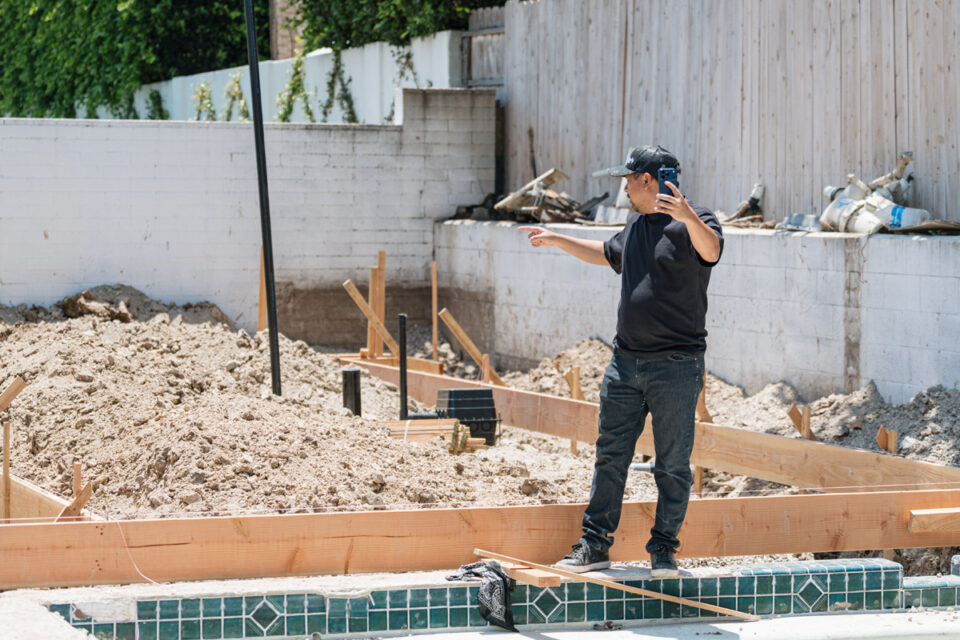
Wang intentionally keeps his content simple and authentic.
“At the end of the day, we’re showcasing our work, right?” he says. “So just the before picture and then the end result.”
That approach is part of what keeps people watching. Before-and-after videos also help homeowners visualize what a redesign can actually accomplish.
“When people are hiring us or looking to hire us, they already know what kind of work we do,” he says.
A new form of word-of-mouth
For decades, the pool industry relied heavily on referrals and local reputation. Wang sees social media as an extension of that process — just on a much larger scale — and says online engagement functions as a modern version of word-of-mouth marketing.
As his following grew, Wang says his company began receiving inquiries and project opportunities well beyond Southern California, including internationally.
“We used to only do work locally, but with social media, that took me all over the world,” Wang says.
But Wang says broader visibility also came with challenges. While social media opened doors to new opportunities, managing projects outside his local market was often difficult logistically.
“I have people who call me to do work in a different country,” he says. “That’s very difficult for me to go there and do.”
Wang says large audiences can also create opportunities outside traditional pool construction, including brand partnerships and endorsements, but they do not always translate directly into local construction work.
While many companies focus heavily on growing follower counts, Wang says pool professionals should prioritize building strong visibility and credibility in their own markets first.
“I think everybody’s trying to chase millions of followers,” he says. “But businesswise, I would focus more locally.”
Educating homeowners directly
Wang also uses social media to explain design decisions, construction approaches and equipment choices to homeowners.
“I always talk about how we do things, how we set ourselves apart and the thought behind it,” Wang says.
He sees that value for education reflected in Fluidra.
“One of the reasons I decided to partner up with them is they’re very forward-thinking,” Wang says. “They pay attention to what the future is.”
Wang says some manufacturers still underestimate the role social media plays in shaping homeowner awareness and purchasing decisions.
“Because I have a bigger platform, I can also educate homeowners directly on the benefits of their equipment,” he says.
Homeowners now arrive with far more information — and far more questions — after researching builders and products online, Wang says.
Starting simple
Pool professionals looking to expand their social media presence should start simple by documenting their day-to-day work, Wang says.
For service companies, that could mean showing a maintenance route, explaining why a pool has turned green or walking customers through common issues. For builders, it may be as simple as posting project progress photos or explaining design decisions.
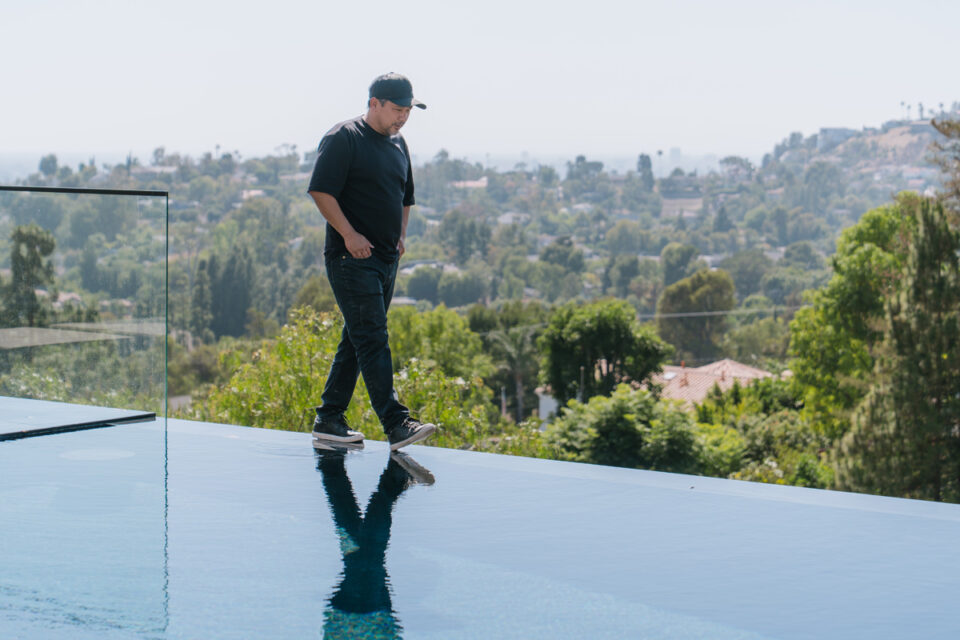
“Just document the process,” Wang says. “Show a day at your work.”
He believes many pool professionals hesitate because they assume content needs to look polished or professionally produced.
For Wang, the future of pool industry marketing is based on authenticity, education and personal branding — not necessarily high-budget advertising campaigns.
And while social media may have expanded his audience far beyond Southern California, the core idea behind his content strategy has never really changed.
It still starts with showing the work.



Fluidra
Fluidra is a publicly listed company focused on developing innovative products, services and IoT solutions for the residential and commercial pool markets, globally. The company operates in over 45 countries and owns a portfolio of some of the industry’s most recognized and trusted brands, including Jandy®, Polaris®, S.R.Smith®, and Cover-Pools®.