Tools Tell the Story
How neglect impacts pool equipment performance
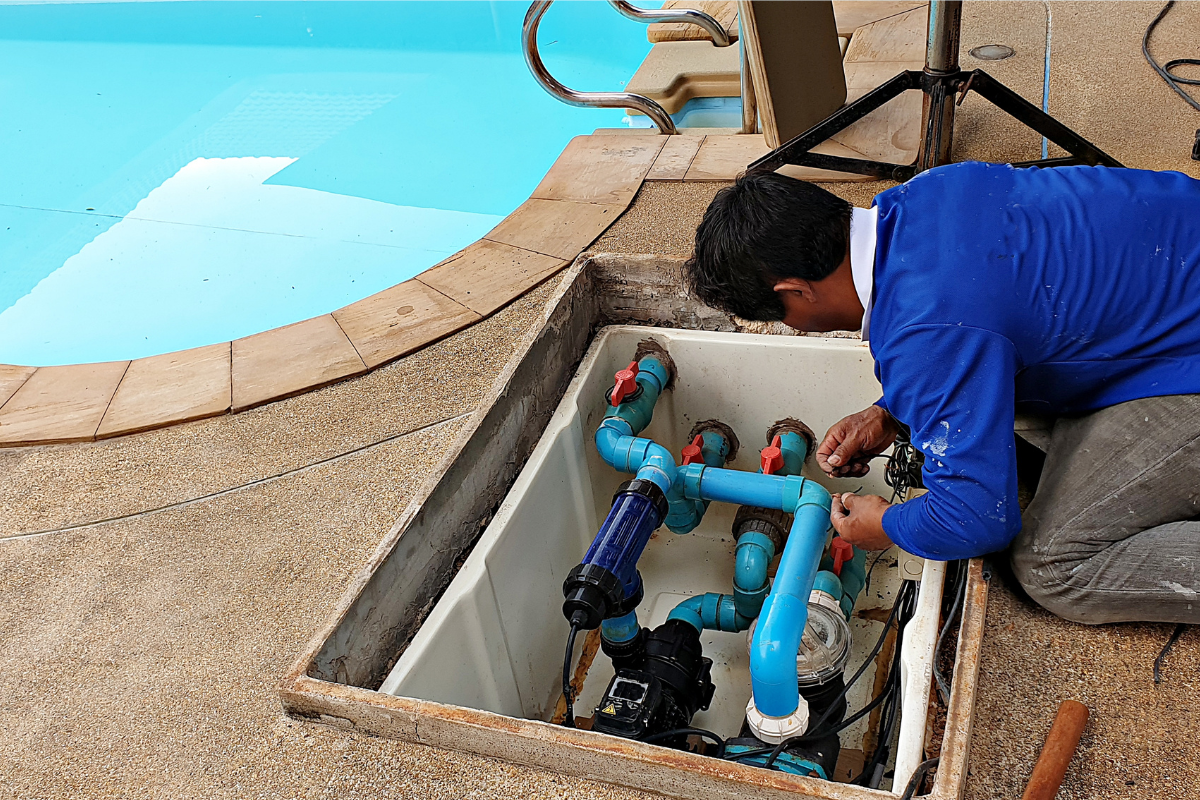
In the pool service industry, reliability is the backbone of a successful business. Whether you’re servicing one pool or managing a fleet of technicians across dozens of properties, the performance of your tools directly affects your team’s efficiency, your customers’ satisfaction and your company’s profitability.
Overlooking critical gear — like vacuum systems, pumps, water testers and even service vehicles — can lead to preventable breakdowns, skyrocketing repair costs and inconsistent service delivery. I’ll share actionable, field-tested strategies from my business to ensure your tools stay in peak condition for the long haul.
The hidden cost of equipment neglect
Downtime is an inconvenience to the customer and a revenue killer for a business. A broken pump or vehicle doesn’t just delay one job — it can cascade into missed appointments, rescheduling headaches and lost trust. Service companies with inconsistent equipment experience more unplanned downtime and lower customer retention rates. That might sound abstract until you’re the one explaining to a longtime client why you couldn’t make your scheduled visit.
Even minor oversights, like ignoring the calibration schedule for digital water testers or storing vacuum hoses in direct sunlight, compound over time. Dirty filters stress motors, improperly calibrated testers cause incorrect dosing and neglected transport vehicles can derail an entire route. Skipping these details doesn’t just wear out your tools; it wears down your reputation.
Daily habits that protect your gear
The good news is small, consistent efforts can make a massive difference. Here’s how we build long-term reliability into our operations at GL Pools.
1. Weekly tester calibration (if you use digital tools)
Even high-end digital testers drift over time, which can quietly skew your water balance readings. If you’re using digital models, establish a weekly calibration routine using manufacturer-recommended solutions. Logging readings helps spot trends in accuracy loss before they spiral into real-world problems. A tester that’s just 0.2 ppm off may not raise alarms right away, but that tiny error can become a big headache over time.
2. Hose and vacuum TLC
Rinse hoses thoroughly after each job, then store them loosely coiled in shaded areas. UV degradation and kinked lines are easy to prevent but tough to fix once they start. For vacuum heads, brush off debris, inspect wheels and replace brushes as needed — small parts that make a big difference in performance.
3. Pump lubrication and inspection
Lubricate O-rings monthly and inspect pump housings for leaks or unusual noise. These early warning signs often go unnoticed, but a $2 O-ring or $10 seal replaced on schedule can prevent a $2,000+ pump replacement down the line.
4. Proactive fleet management
Treat your vehicle like it’s mission-critical (because it is). We conduct regular tire checks, monitor fluids and track all repairs in a shared fleet log. A broken-down van will become a service delay that your client will remember.
Prevention is professionalism
One thing we tell our team often: The client never sees your tools until they fail. That’s when your professionalism gets called into question, even if the job was running smoothly up until then.
Structured maintenance isn’t just about asset longevity. It’s about consistency. Consistency builds reliability, and reliability builds trust, which is your brand’s most valuable asset in a competitive market.
At GL Pools, we’ve developed maintenance protocols that are both practical and easy to adopt, like task checklists, scheduled downtime for equipment overhauls and peer accountability to make sure routines are followed. These steps prevent surprises in the field while fostering a culture of pride in our work.
Your tools reflect your standards
At the end of the day, your equipment is an extension of your brand. A technician with a squeaky, slow vacuum or a leaking test kit risks delays and sends a silent message that the details don’t matter. In our line of work, the details are everything.
By implementing a structured maintenance program, you’re investing in your team’s confidence, your business’s image and your ability to consistently deliver exceptional service — job after job, season after season. Let’s raise the bar. Not just for our clients, but for ourselves.