Acquisitions Highlight What Makes a Good Pool Company
Congratulations are due to Javier Payan and David Hawes, two longtime pool professionals and personal friends, who recently sold the companies they spent decades building.


Congratulations are due to Javier Payan and David Hawes, two longtime pool professionals and personal friends, who recently sold the companies they spent decades building.
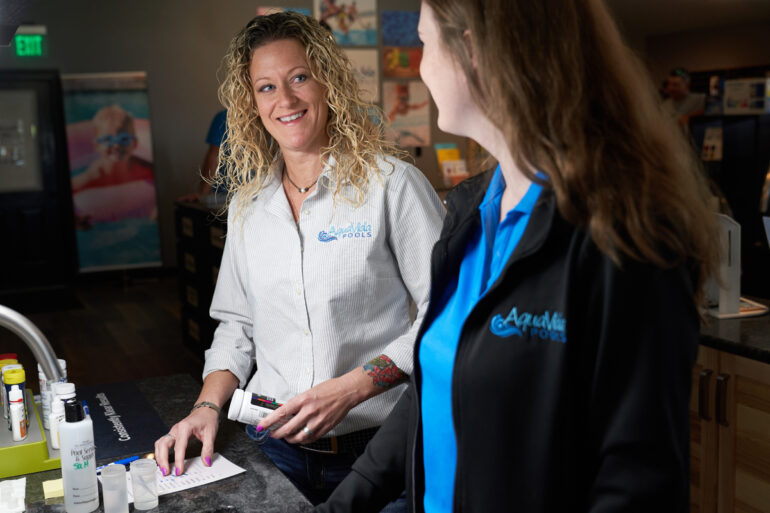
Every pool company has that technician.
They know the equipment inside and out, can diagnose a stubborn heater before the panel is even open and somehow make difficult jobs look routine. When they’re on the schedule, managers breathe easier. Customers ask for them by name. New technicians look up to them.

A visual identity isn’t just about clarity — like pool water testing, it’s about an overall diagnosis.
“You want to step back and ask, ‘Is your current logo bringing in the results you want it to bring in?’ ” says Alana Kilgore, president of 1414Marketing in Franklin, Tennessee, who guided Coby Pools’ rebrand. “Just because you have a pool logo doesn’t mean it’s speaking to your audience.”

Replacing a technician takes time, money and training, and once they give notice, it’s often too late to fix what caused them to leave.

In many moderate-climate markets, some service professionals are taking a different approach. Rather than shutting systems down for four or five months in the winter, they’re keeping pools running with reduced circulation and ongoing maintenance to improve water quality, reduce spring start-up headaches and create a better customer experience.

Homeowners increasingly want outdoor spaces that help them relax, recover and spend more time outside. Cold plunges, hydrotherapy areas, saunas and dedicated wellness spaces are becoming part of backyard projects as builders design spaces that serve as everyday retreats rather than simply places for recreation.
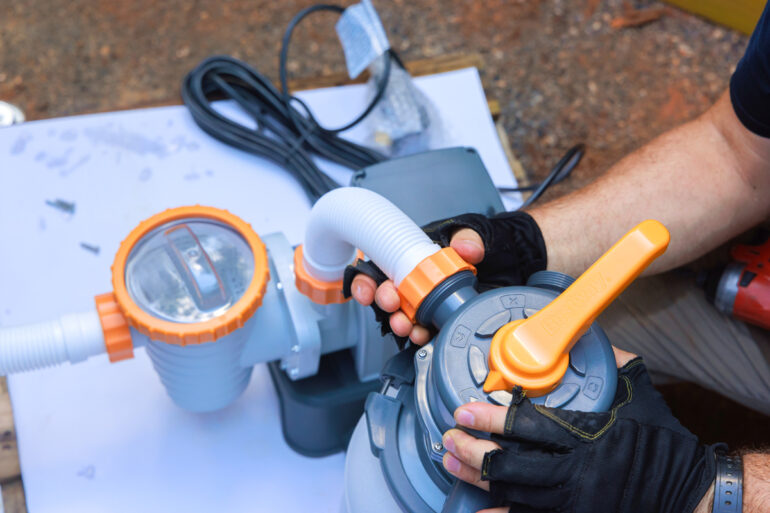
For pool service professionals deciding whether equipment should be repaired or replaced, it rarely involves a single issue. Age, timing, warranty coverage, operating costs and customer budgets all factor into the conversation — and in many cases, equipment that is technically still running may already be beyond its practical lifespan.
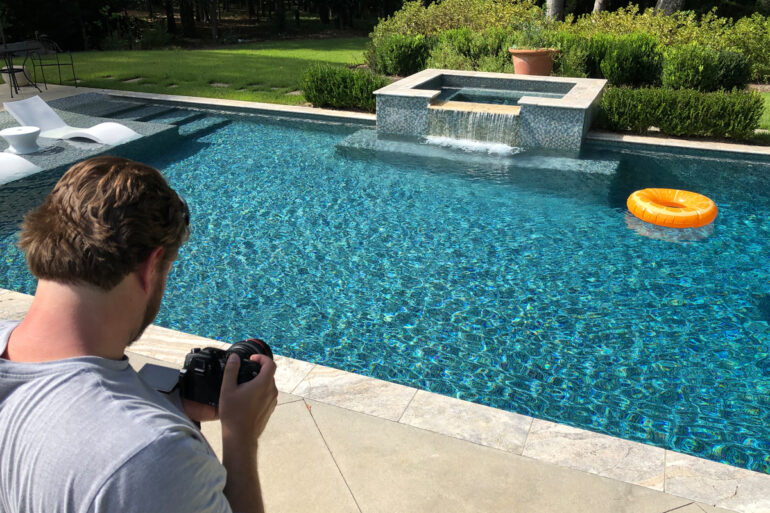
Every pool technician carries one of the most effective marketing tools available: a smartphone. Whether documenting a repair or capturing a dramatic pool transformation, techs create content companies can use long after the service call is done.
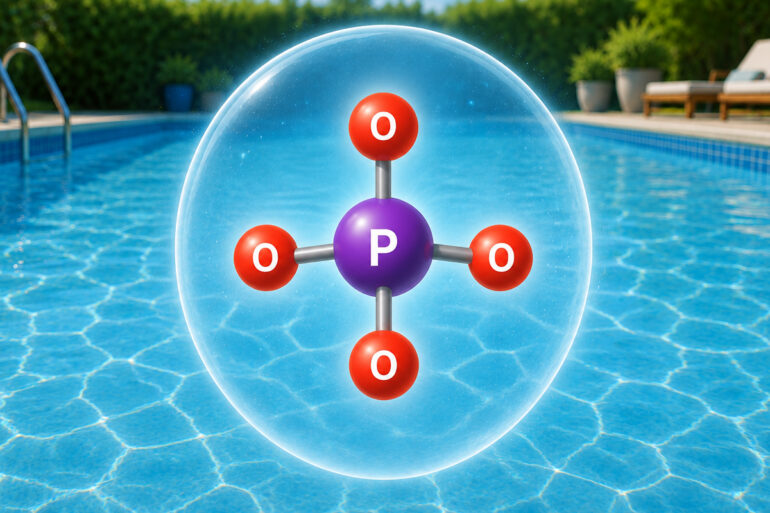
Few topics in pool water chemistry generate as much disagreement as phosphates.
Ask five industry professionals how much phosphates matter, and you’re likely to get five different answers.

Some people get into the pool industry because they dream of working on exclusive resorts, waterparks or celebrity projects. But for Matthew Ryther, it was access to something else that caught his eye at a young age: the pump room.
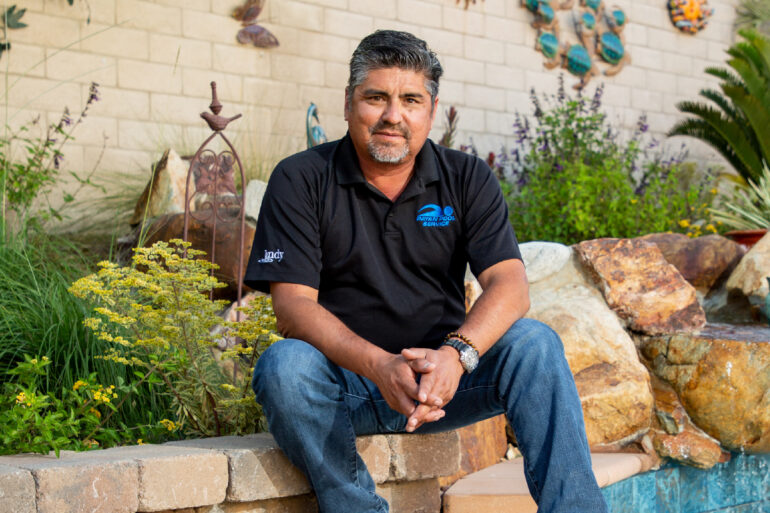
When Javier Payan started cleaning pools as a teenager, his ambitions were modest: learn to surf, service a pool route and avoid hiring employees.
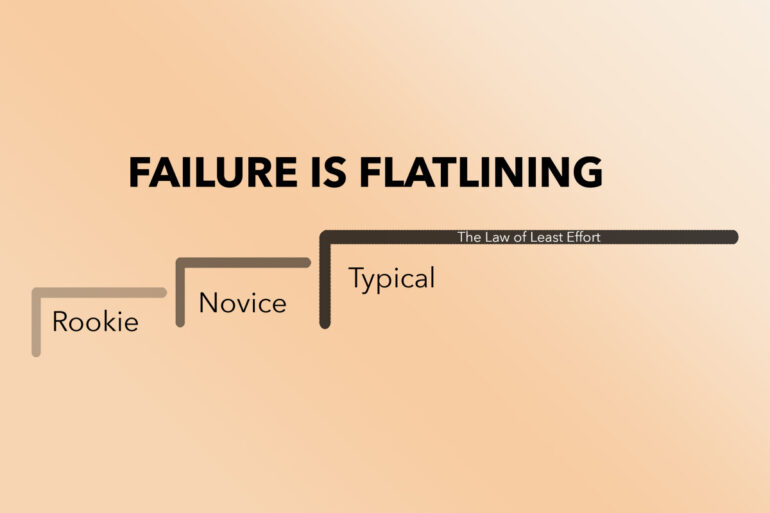
We started this article series by challenging ourselves with a question: In this $23 billion global industry, why do sales growth and career development often seem to flatline or end in burnout? Over the past year, we’ve focused on uncovering and removing the barriers that keep many people stuck in what marketing expert and author Seth Godin calls “90% below average.”