Social Media That Sells
What posts convert for service pros
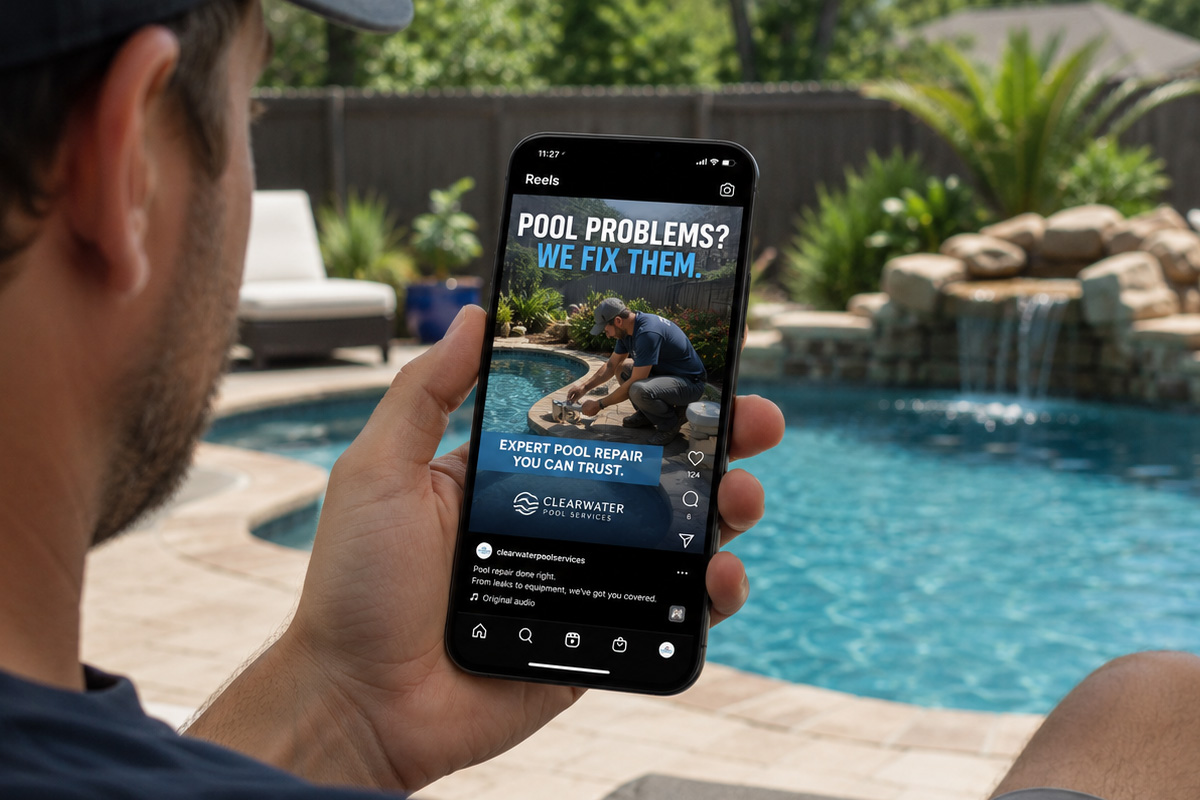
Social media is often the first impression a customer gets before ever reaching out.
“By the time most customers call you, they’ve already looked you up online, and many have scrolled through your social media,” says Kristan Bayless Hart, founder and CEO of Profit Roadmaps in Rogersville, Missouri. “They’re not just checking if you exist; they’re deciding if they trust you.”
That often includes scrolling though reviews, websites and recent social activity to see whether a company appears established, responsive and active online.
Pam Vinje, CEO of Small Screen Producer, says homeowners are evaluating the entire online presence — not just Instagram or Facebook posts.
“I’m buying a company, not just somebody from a social post,” she says.
For service pros, social media that generates real leads is usually less about instant conversion and more about building familiarity and credibility over time.
The vetting process
Companies that consistently post real work, answer questions and stay active online are more likely to stay top of mind when service is needed.
“Consistent, professional, real content builds that trust,” Bayless Hart says.
The companies that struggle are usually the ones that post sporadically, rely only on promotional content or rarely engage with comments and messages, Bayless Hart says.
Service companies need to remember that homeowners usually won’t call until they actually need help, regardless of how well a post performs, Vinje says.
“I could be looking at green-to-cleans all day or really cool salt cell systems that are being cleaned, but until I actually need a service, I’m not going to convert,” Vinje says.
Show your work
Vinje and Bayless Hart agree that the most effective service pages balance proof of work with practical education.
The posts that generate leads show real work — before-and-after photos, jobsite videos and problem-solving content. Vinje says educational content is especially valuable for service companies because homeowners are often looking for someone they can rely on long term, not just for a one-time repair. Educational posts keep homeowners engaged because they demonstrate expertise and activity.
“Do you know what you’re doing?” Vinje asks. “It’s one thing to clean stuff up, but are you able to educate me?”
Bayless Hart says homeowners want to see that you’re knowledgeable, and posts that speak directly to answering questions (e.g. “Is your pool turning green every summer? Here’s why…”) tend to drive people to reach out because they see themselves in the content.
Simple content performs best
Service pros often make the mistake of overloading posts with too much information, Bayless Hart says. Simple, visual content with one clear takeaway tends to perform best.
Easy content ideas for service pros
She says service companies commonly lose leads when profile information is outdated, posts lack a clear next step or messages go unanswered.
“A potential customer who DMs you and doesn’t hear back for two days has already called someone else,” Bayless Hart warns. “The social media post can do its job perfectly, but if the follow-through isn’t there, the lead disappears. Actually responding to comments and messages is just as important as the content itself.”
Vinje says homeowners are evaluating a company’s entire online presence — not just its social posts.
“If your website looks like it came from 1990, I think you don’t have any money,” she says.
Be the one they remember
Posts that address issues homeowners regularly deal with, like broken pumps and cloudy water, can draw eyes, but even simple seasonal content is effective, Bayless Hart says.
“Think: opening and closing posts, storm cleanup, etc.,” she says. “It meets homeowners where they are in the calendar year and positions you as proactive and knowledgeable.”
A funny meme about pool ownership might get a hundred likes, but a post showing a repair you just completed, with a caption explaining what went wrong and how you fixed it, makes homeowners more likely to contact you when they need service.
Testimonials can also make great content, but they work best when they’re specific. “They fixed our heater the same day we called” is far more powerful than “Great service!”
Vinje says homeowners are often looking for multiple forms of reassurance at once: visible work examples, positive reviews and signs that the company is responsive online.
Vague calls to action like “Follow us for more tips” rarely generate business, according to Bayless Hart. Instead, direct prompts such as “Call today for a free estimate” or “Drop your ZIP code below to see if we service your area” create clearer next steps for homeowners.
“Be specific about what you want and make it simple for them to say yes,” Bayless Hart says.
Many service companies overcomplicate social media when the most effective content is often the simplest: real work, clear explanations and consistent activity, she adds.
“If your page looks active and your work looks good,” she says, “you’ve already won half the battle before the phone even rings.”