PP26-1

  • |

    Why Pool Service and Repair Professionals Must Keep Insurance Current During the Slow Season

    In the pool industry, the slow season can feel like a natural time to cut expenses, scale back operations or pause certain business obligations. But one thing that should never lapse — no matter how sparse your calendar — is insurance coverage. Maintaining uninterrupted coverage is not only a wise business practice but also protects your livelihood, reputation and long-term financial stability. 

  • Plaster matters more than ever

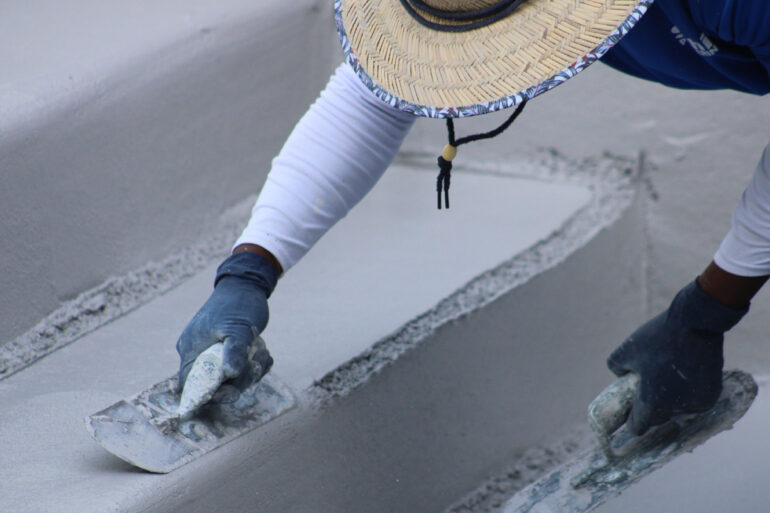
    This is our annual plaster edition of PoolPro. Since I started attending the National Plasterers Council Conference in 2019, the world of pool finishes has evolved quickly — from new additives and cement formulations to shifting opinions on start-up methods. Even if you aren’t a plasterer, builders and servicers are deeply affected by the quality of a surface, so it’s worth staying up-to-date.

  • Cementing a New Era

    White cement doesn’t usually make headlines. It quietly does the job, curing beneath the waterline while builders move on to the next dig. But now, it’s stepping into the spotlight. And when the backbone of every plaster finish starts evolving nationwide, it’s worth putting down the trowel and paying attention.

  • Lost in Translation

    Even with translation tools at our fingertips, nuances can still get lost on the jobsite. So how do companies bridge the gap between different languages and cultures? Across the industry, leaders say the answer lies in clarity, consistency and a willingness to meet people where they are.

  • Start Smart

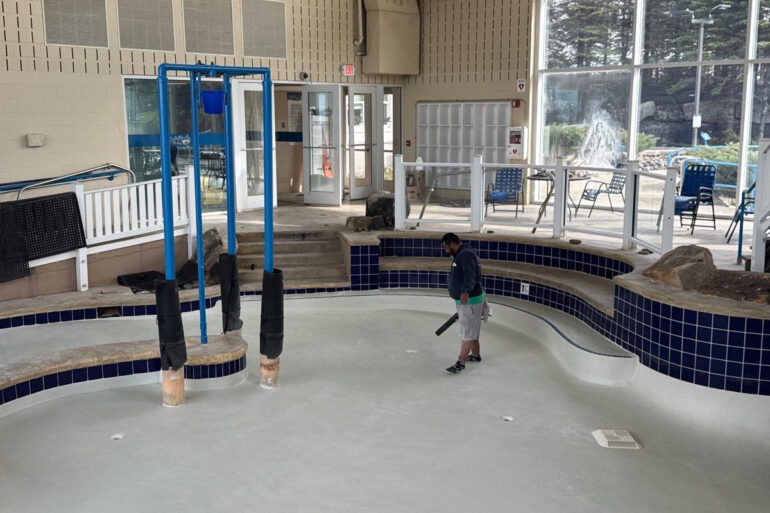
    When customers are anxious to jump into their beautiful, sparkling, newly built or renovated pool, it’s hard to curb their enthusiasm. The pool is filled. It looks ready. But as many pros know, it’s not quite there yet.

  • The Life (and Death) of a Pool Finish

    As any pool pro knows, dealing with finish breakdowns is inevitable.
    There’s mottling and color variation, rough scale from high Calcium Saturation Index, dusting from low CSI or aggressive acids, calcium nodules, scale rings, cracks that leak — the list goes on. Some root causes trace back to water chemistry, while others stem from application, curing or environmental factors. In some cases, design plays a role.