The Fiberglass Factor
Why fiberglass pools are capturing market share — and what service pros need to know as installs surge
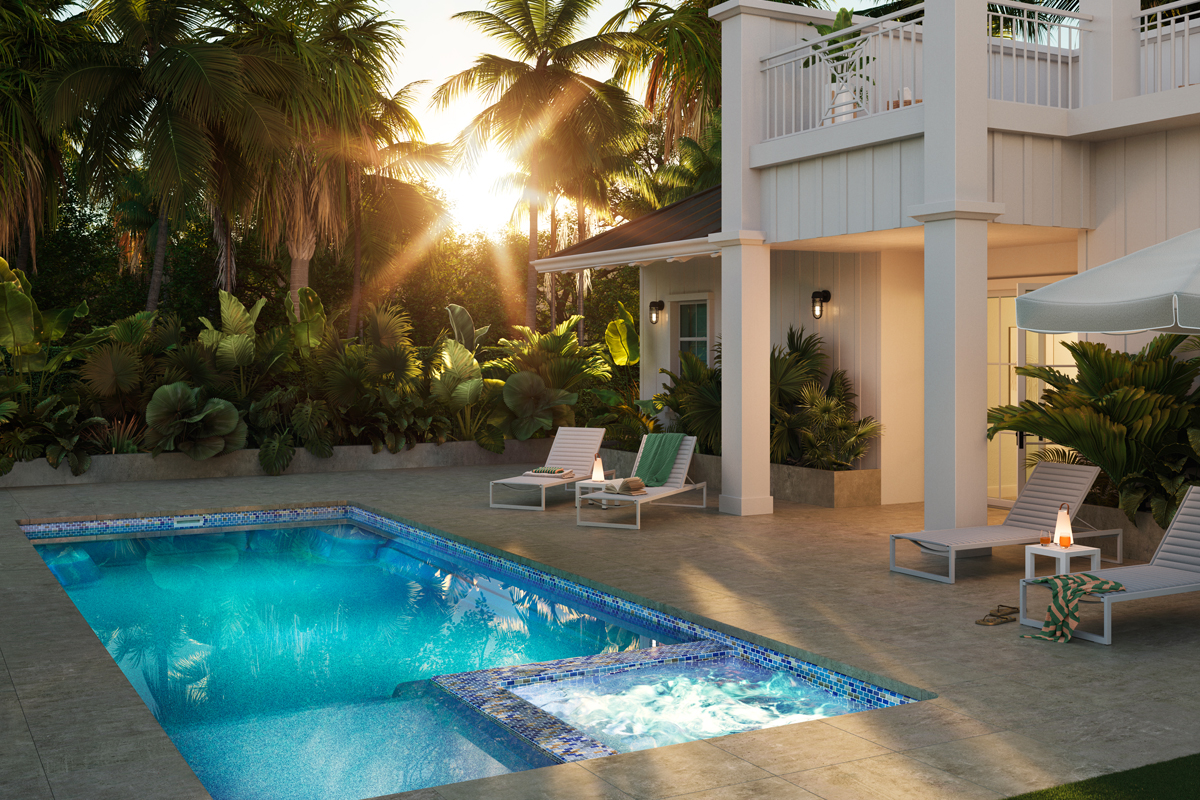
Over the past decade, fiberglass pools have steadily gained market share, with adoption accelerating in recent years as homeowners, builders and service professionals recognize the performance, appearance and long-term ownership costs.
Mike Fox, vice president of fiberglass and auto covers products at Latham, estimates fiberglass has been gaining roughly a percentage point of market share each year — a climb that has pushed the products further into the mainstream. These molded, factory-built shells simplify decision-making by limiting design variables and rival other construction types visually while offering one of the lowest-maintenance ownership experiences on the market.
Once considered niche, fiberglass has become an increasingly common choice across North America, particularly in high-demand Sun Belt markets, experts say. “For the homeowner, it’s a nicer product,” says Scott Savage, president of Savage Pools & Patios in Ohio. “It is much better looking aesthetically [compared to a liner pool].”
Below, experts share how service pros should evaluate, sell and maintain these ever-popular pool models.
The fiberglass demand accelerates
Fiberglass growth is not the result of a single trend, but a combination of homeowner priorities and builder realities aligning.
Global revenue in the fiberglass sector is expected to grow from about $1.7 billion in 2024 to nearly $4 billion by 2032, according to Verified Market Research, reflecting increasing consumer demand for low maintenance, quick installation and aesthetic appeal.
Business Research Insights estimates North America accounts for a significant share of that growth, representing an estimated 38% of the global market and rising as homeowners in regions such as Florida, Texas and California increasingly choose fiberglass.
From the homeowner’s perspective, fiberglass offers a smoother, more finished look than vinyl, plus a tactile experience that feels more solid underfoot. Steps, benches and ledges are integrated into the shell, eliminating shifting or wrinkling sometimes seen in vinyl pools.
Shorter build times are a perk for both installers and homeowners.
Fiberglass installations typically require less time on-site than concrete builds and often offer less disruption than vinyl projects, which is a powerful selling point for families with young children or limited tolerance for extended construction.
“When you’re looking at a family with young kids, you want a pool contractor to get in and out,” Fox says.
That speed has become a major driver of fiberglass growth, particularly since the pandemic-era pool boom, when homeowners wanted backyard amenities delivered faster than traditional gunite timelines allowed.
“We’ve seen a lot more penetration over the last several years in the sand states: Florida, Texas, Arizona and California,” Fox says, as both awareness and manufacturing capacity of fiberglass has grown.
Builders also enjoy predictability with these installs because they follow a defined process with fewer weather-related concerns, allowing crews to complete more projects seasonally.
“You’ve got pool professionals saying, ‘Wow, this is a very easy process for me, where I can actually have more projects and build more of a backlog and have more money in my pocket,’ ” Fox says.
Fox describes fiberglass growth as two-pronged: Homeowners want low-maintenance pools, while builders increasingly favor fiberglass because faster installs mean more completed projects and more revenue each season.
In many regions, particularly those with sandy soils, fiberglass has also proven to be a reliable solution when installed correctly. For service companies, that growth means more fiberglass-specific maintenance calls — and more need to understand what makes these shells different.
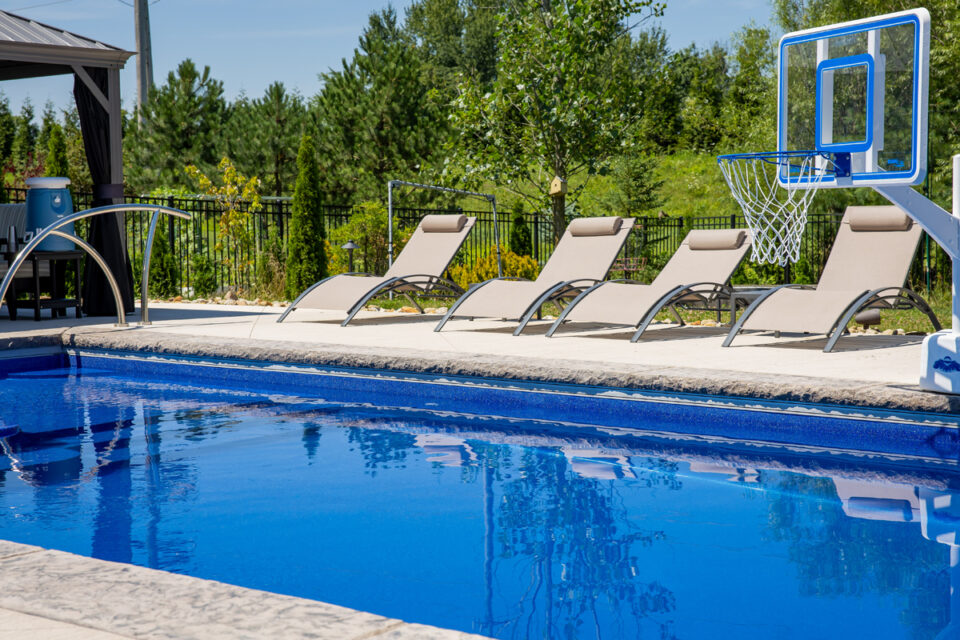
Ensuring a good customer fit
For a busy family looking to enjoy a pool without an intensive cleaning routine, fiberglass is often a good option.
“They can choose the shape and size they want to fit their lifestyle,” Fox says.
For many, knowing the maintenance process is a big selling point. They won’t be using abrasive tools and scrubbing pool surfaces for hours on end.
That low-maintenance appeal is one of the biggest reasons fiberglass has gained popularity with younger buyers, Fox adds, who increasingly expect fast, simplified ownership — what he calls the “Amazon model” of pool purchasing.
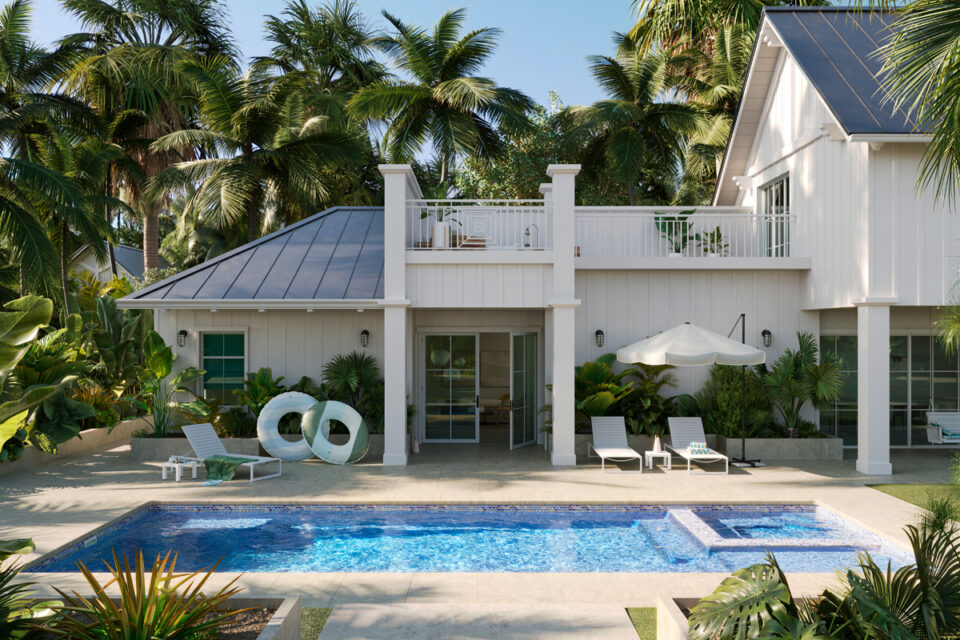
Since the COVID era, Fox says he’s been impressed by the variety of leisure components in the fiberglass market. Tanning ledges and sleek stairs, for example, are more commonplace in fiberglass molds and offer what might otherwise be seen in custom gunite pools.
It’s true that over the last decade, manufacturers have dramatically expanded fiberglass design offerings beyond basic freeforms, with more rectangles, integrated spas, benches and resort-style features that rival high-end concrete builds.
Homeowners looking for a highly customized pool that can be adjusted for their specifications — and shapes — likely will lean toward a gunite pool, Fox says.
Another aspect to consider is access. Crowded neighboring houses and large trees can make it difficult to navigate into a backyard, so a crane may be needed.
“The only thing we’re looking for is access,” Savage says. “Can we get the entire fiberglass pool to the install?”
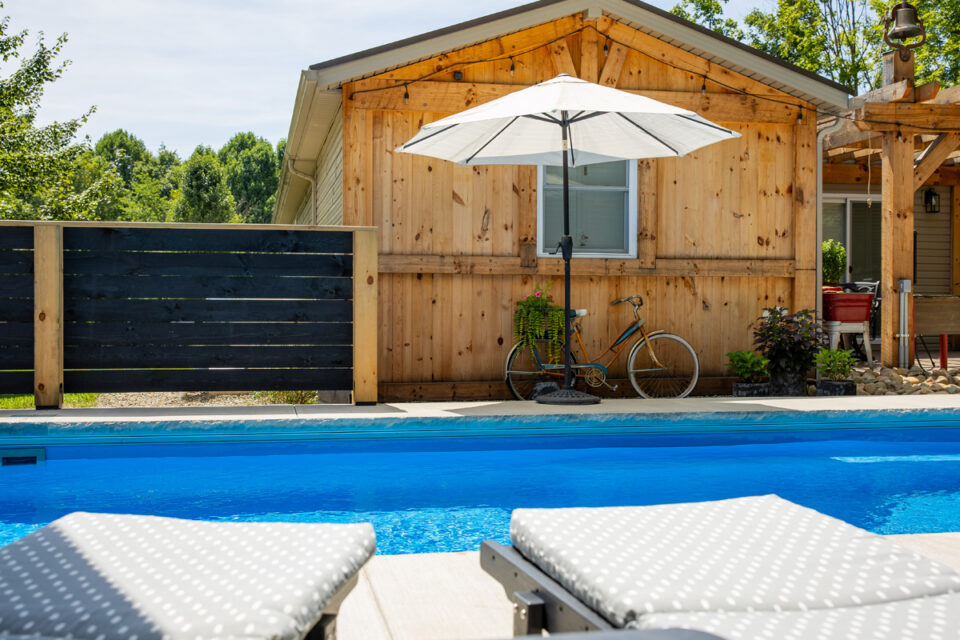
Failures and fixes
With fiberglass installs rising nationwide, some builders are entering the category without proper training, Savage warns — even though fiberglass requires a distinct installation process and strict adherence to manufacturer specifications.
As installs increase, service pros are also seeing common problems that arise when fiberglass is poorly installed or improperly maintained.
When it comes to maintenance and beyond, there are a few warning signs builders and servicers can advise pool owners to watch for. Potential early signs of failures may include hollow sounds in benches or steps and bulges in the pool wall.
Structural failures are typically dramatic, making them easy to identify, says Bram Schad, director of pool construction for America’s Swimming Pool Company, based in Macon, Georgia.
“Cracks in the shell, significant movement or a ‘popped’ pool are obvious signs of a structural issue,” he says. “Subsurface level problems, however, require more expertise to diagnose accurately. Leaks often necessitate the use of a professional leak detection specialist to pinpoint the exact source of failure.”
Leaks are a common repair call, Schad says, particularly in older fiberglass pools. Industry advancements with best practices for sealing methods and penetrations have helped, though, he adds.
“Historically, many installations relied on rubber gaskets to seal fittings such as returns, skimmers and lights,” Schad says. “Over time, these gaskets can become brittle, shrink or crack, leading to leaks. Modern installations have largely moved away from gasket-only sealing methods, instead relying on high-quality sealants that provide superior long-term waterproofing.”
The appearance of sand or soil in the pool is another telltale sign, says Jason Craycraft, owner of Leisure Pools Columbus.
Bulges and cracks are other common issues, which are generally due to “inexperienced installers not backfilling the pool correctly,” Craycraft says, noting failure to do so leads to warranty voids. If it’s a structural failure related to ignoring manufacturer rules, the most effective repair is a full structural restoration, he explains.
It’s why Allen Smith, project manager at Savage Pools & Patios, advises all fiberglass pool pros to closely stick to the manufacturer’s recommendations.
“Don’t cheap out on materials. Don’t try to use alternate materials that the manufacturer doesn’t recommend because it’s cheaper and you think you know better,” Smith says. “Follow the process correctly. Don’t cut corners; in the long run, it’s going to cost you as the builder and hurt your reputation.”
Doing so will also cost customers valuable warranties — especially for the shell’s performance — if specs aren’t followed precisely.
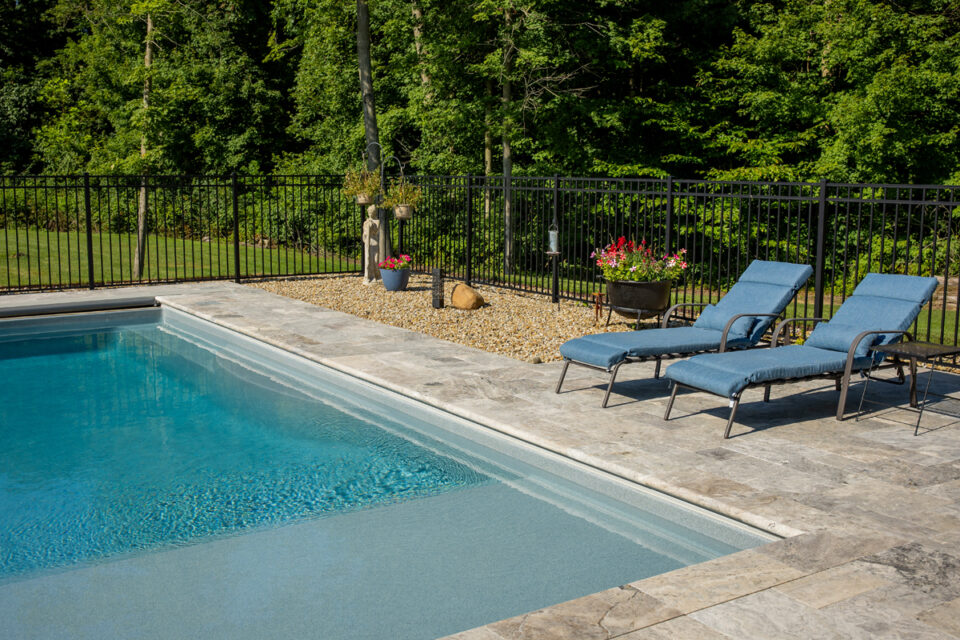
Maintenance and beyond
Some believe fiberglass pools are fragile or have a short lifespan, but modern fiberglass shells are engineered as structural systems and are often backed by long-term warranties that outlast the replacement cycles of vinyl liners.
Confusion can arise when comparisons are drawn by builders who only work with one pool type, unintentionally framing alternatives through a competitive lens rather than a technical one, Savage says.
That misinformation doesn’t just affect sales conversations but also impacts service practices, maintenance decisions and long-term performance. For service pros, understanding what fiberglass is — and what it isn’t — is essential to protecting both the pool and their credibility.
Water chemistry management is the most common contributor to fiberglass pool damage, and this applies to all pool types, Schad says.
“Because fiberglass pools are relatively easy to maintain, technicians sometimes overlook the importance of maintaining proper [Langelier Saturation Index] balance,” he says.
Uncontrolled LSI can cause scaling and long-term surface degradation, Schad says. He adds that service techs should also take care when applying chemicals, since granular products should always be fully dissolved and diluted before being added to a fiberglass pool.
Proper tool usage must also be considered when preventing damage to fiberglass pools. “It’s also just as important to only use fiberglass-safe tools and cleaning products,” Craycraft adds. “Abrasive tools or chemicals meant for other pool types can permanently damage the surface.”
If the installation and maintenance are performed correctly, fiberglass pools should last the lifetime of a homeowner. That includes never draining the pool, running the pool pump daily and keeping filters clean — all ongoing education reminders builders should tell customers with every install.
With fiberglass pools becoming a larger share of the market each year, proper installation, chemistry and surface care will only become more essential skills for pool professionals.